7 Changes in the Wardogs Season 2 Update That Reshape Logistics, Vehicles and Sniping
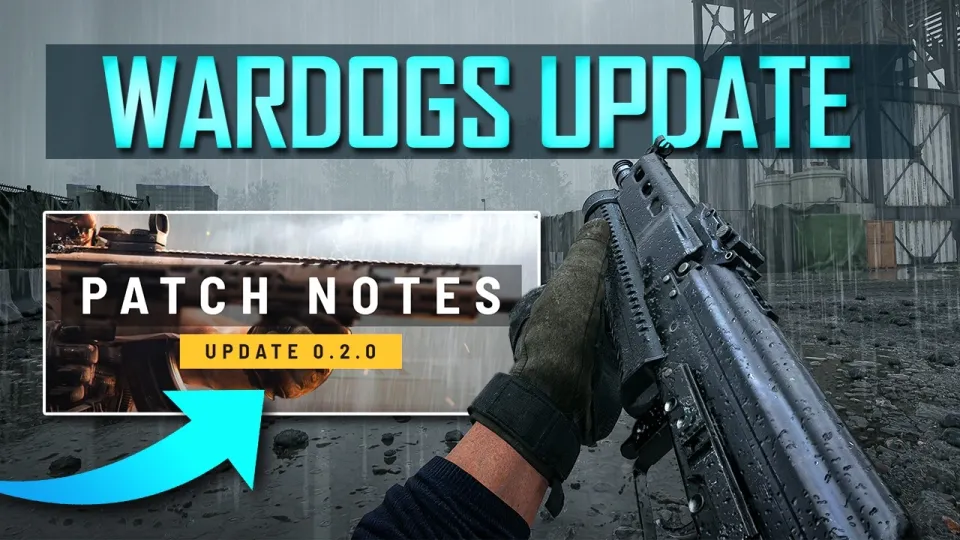
Video: WARDOGS New Season 2 Update ► EVERYTHING You Need To Know
Need articles like this for your video? They help promote it on YouTube and Google — order them in the Telegram bot @sat_sit_bot. Articles with your video embedded are written and posted by the bot itself — on popular topical sites (no ads). Free trial — 50 articles.
· based on the channel GhostGaming
The Wardogs Season 2 update is a broad rebalance of how money is earned, with the biggest swings hitting logistics drivers, helicopter pilots and FOB builders while infantry combat becomes comparatively more profitable. Supply drop-offs now pay a base of $1,250 per pallet at a 10-drop streak plus a $2,500 bonus, vehicle and aircraft prices went up, and a 16% cut to 50 cal damage changes what armor tiers can survive. Streamers covering the patch, including GhostGaming (whose channel you can follow on Twitch for live matches and patch-day testing), have spent the first week mapping out what the numbers actually mean in a match.
What the Wardogs Season 2 update changes at a glance
Season 2 is best understood as an economy patch with combat tweaks layered on top. The developers published full patch notes on Steam, and the headline items touch four systems at once:
- Logistics supply drop-offs were reworked, with streak-based bonuses now clearly separated between deliveries inside and outside the combat zone.
- Vehicle and aircraft pricing went up across several platforms, most notably armed helicopters.
- Anti-air balance shifted with reduced AA effectiveness in some areas and the arrival of a new anti-aircraft vehicle.
- Sniper and armor interaction changed because of a 16% reduction to 50 cal damage.
- Optics unlocks were pushed later in progression, including simple low-zoom red dots.
How supply drop-off payouts work now
The revised logistics payout is the single most misunderstood part of the patch, because the first numbers circulated were measured outside the combat zone. A pallet delivered at a 10-drop streak now pays $1,250 base plus a $2,500 bonus, and the patch notes carry the corrected figures for deliveries made under fire. In practice this means a driver who chains deliveries can still clear six figures in a single life, but the ceiling depends on streak length and on whether the drop happens inside contested territory.
The catch is time. Driving a truck back and forth for a full match is a long stretch without combat, and the reworked bonuses reward volume of trips rather than a single emergency run. A driver who notices a FOB running dry and spawns a URAL for one quick resupply earns far less than someone grinding streaks, which is why many logistics players argue the role now demands more work for comparable money. The URAL itself is also seen as a weaker earner per trip than before.
Vehicle, helicopter and anti-air changes
Armed helicopters took a double hit: purchase prices rose and earning potential fell. A minigun Little Bird costs roughly $14,000 fully loaded with three flares, so a pilot who loses the airframe early without a kill streak absorbs a serious loss. Landing experience is another sore point, since pilots want XP for successful recoveries rather than only for kills.
Anti-air pressure is shifting in two directions at once. Some AA effectiveness was trimmed, but the new Gepard anti-aircraft vehicle and the Browning turret option make low-altitude flying riskier, particularly in the early weeks of a season before crews are comfortable with the new platform. The practical advice for pilots is to fly higher-value sorties, conserve flares, and avoid hovering over contested sniper towers where ground fire converges.
Why the 50 cal nerf matters for snipers
The 16% reduction to 50 cal damage has a concrete consequence: tier 2 armor can now survive a single shot from the end-game sniper rifle. Hit zones still matter, and the head and neck remain the reliable lethal areas, but body shots that previously ended a fight now leave a target standing and aware of your position.
For anyone running a bolt-action or semi-auto sniper loadout, that means repositioning after every shot is no longer optional, and pairing with a spotter or a second shooter becomes more valuable. It also nudges players toward aiming for the upper hitbox rather than center mass when engaging armored opponents at range.
The optics grind and other small tweaks
Late-level unlocks for minimalistic low-zoom optics drew the loudest complaints of the patch cycle. Players who want a clean, uncluttered red dot without extra magnification find it gated deep into progression, which pushes newer players toward bulkier scopes with more visual noise. Variable zoom scope keybinds also remain a long-standing request that the patch did not address.
Other tweaks are almost comically small by comparison. The SKS Bipod moved from $800 to $810, a change that does essentially nothing to its popularity and reads as housekeeping next to the economy overhaul. Squad intent lists were added as a quality-of-life feature, echoing the team-commander tools older tactical shooters offered, and they give squad leaders a way to broadcast objectives without voice chat.
Common player concerns about Season 2
Three worries dominate discussion of the patch. First, logistics and FOB building may become obsolete if the money is not attractive enough, since late in the previous season few players were running supply or construction at all. Second, a FOB that receives plenty of supplies still needs bodies swinging hammers, and one report of roughly 100 pallets delivered to a tower position still ended with the FOB overrun because walls could not go up fast enough. Third, progression pacing looks aggressive: tier 3 and tier 4 armor and heavy tanks are expected to appear within the first few hours of a season going live, which compresses the early-game window.
The counterargument is that infantry play now earns comparatively better than support roles, which brings the economy closer to how the game plays moment to moment. Whether that holds depends on a follow-up balance patch, and the community is watching for one.
Where to find GhostGaming and the full patch notes
All official links from the breakdown, copied exactly:
- Twitch: http://www.twitch.tv/ghostgaminggg
- Twitter: https://twitter.com/GhostGamingG
- Discord: https://discord.gg/MzkAVCy
- TikTok: https://www.tiktok.com/@ghostgaming_battlefield
- Full patch notes on Steam: https://store.steampowered.com/news/app/1867240/view/670630562731396445
Final thoughts on the Wardogs Season 2 update
Season 2 makes money harder to earn for everyone except infantry, and it asks logistics and FOB players to do more trips for similar returns. The supply payout correction ($1,250 base plus $2,500 at a 10-drop streak) softens the blow, but the role still needs a reason to exist beyond raw payouts. Pilots face higher aircraft costs and new anti-air threats, while snipers must adapt to tier 2 armor surviving 50 cal body shots. For live testing of every change, follow GhostGaming on Twitch, the channel behind this patch breakdown.
Key takeaways
- Supply pallets now pay $1,250 base plus a $2,500 streak bonus at a 10-drop streak, with the earlier figures applying outside the combat zone.
- The 50 cal damage nerf of 16% means tier 2 armor can survive a hit from the end-game sniper rifle.
- The minigun Little Bird costs roughly $14,000 fully loaded with three flares, and pilots now earn less per sortie.
- The SKS Bipod price moved from $800 to $810, one of the smallest tweaks in the patch.
- A new anti-aircraft vehicle, the Gepard, joins the roster alongside reduced AA effectiveness.
Questions & answers
How much does a supply pallet pay in Wardogs Season 2?
A pallet delivered at a 10-drop streak pays a $1,250 base plus a $2,500 bonus. The first figures circulated were measured outside the combat zone, so check the official patch notes for the in-zone values before planning a logistics run.
Can tier 2 armor survive the end-game sniper rifle after the 50 cal nerf?
Yes. The 16% reduction to 50 cal damage means tier 2 armor can tank a body shot from the end-game sniper rifle. Head and neck hits remain lethal, so aim for the upper hitbox and reposition after each shot.
Is flying a minigun Little Bird still profitable in Season 2?
It is much riskier. A fully loaded minigun Little Bird with three flares costs around $14,000, prices went up and earning potential went down. Pilots need kill streaks, careful flare use and clean landings to avoid losing thousands per sortie.
Why are players unhappy about logistics and FOB building changes?
The concern is that supply runs now require more trips for less money than fighting, which discourages players from responding when a FOB runs low. Construction also needs enough players building walls, and even large supply deliveries can be wasted if the FOB is overrun before defenses go up.
Source: WARDOGS New Season 2 Update ► EVERYTHING You Need To Know · Markdown version